Tel : +86-18630605462 Email : info@jhhycontainerhouse.com

Beijing Jinhuahengyuan Prefab Housing Co., Ltd.
Leading manufacturer of container house, with 150+ global partners
Leading manufacturer of container house, with 150+ global partners
Tel : +86-18630605462 Email : info@jhhycontainerhouse.com
Worried your prefab house won't stand up to strong winds? Choosing the wrong wind rating can cost you money or, worse, compromise safety. Let's find the right fit.
The best wind resistance rating isn't always the highest. It's the one that correctly matches your project's location, local building codes, and budget. The goal is to find a smart balance between safety, practicality, and cost-effectiveness for your specific needs.
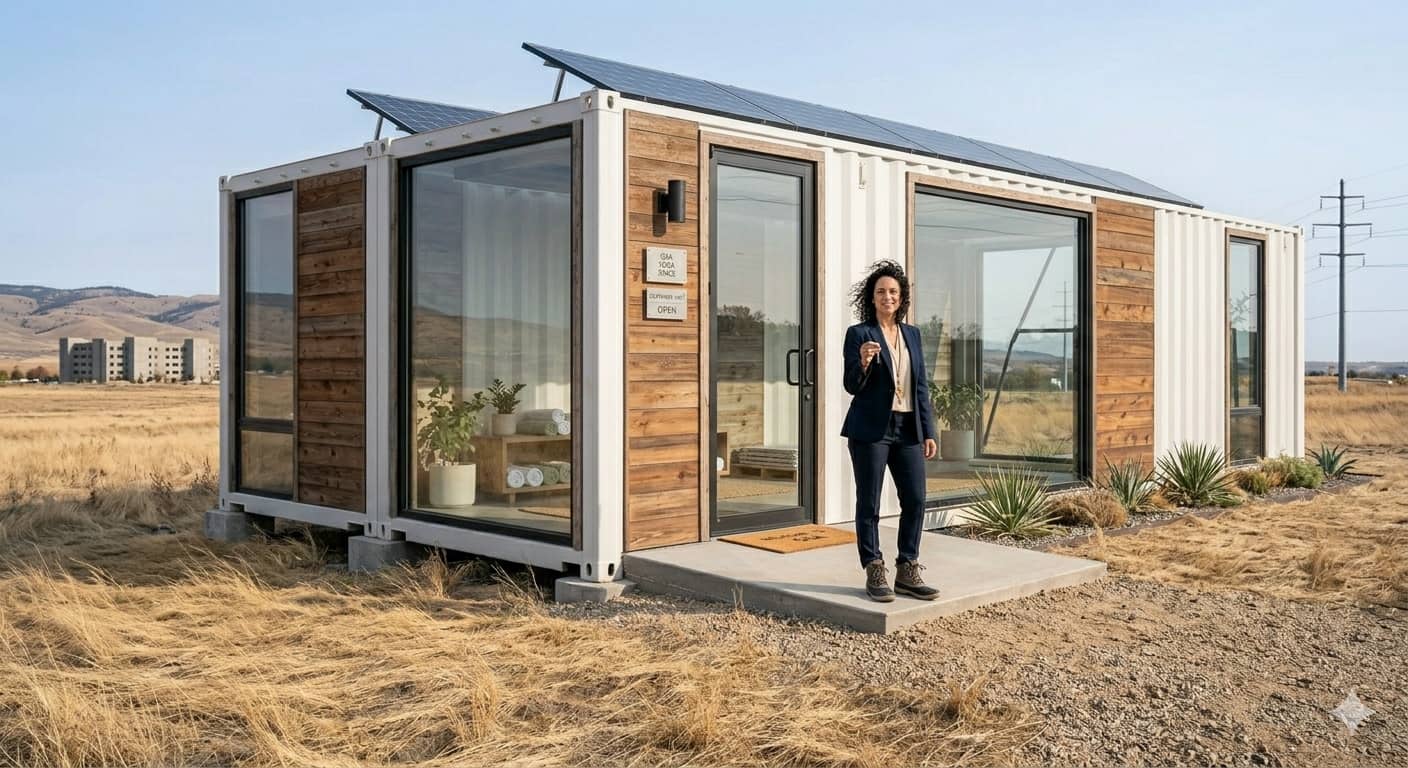
Choosing the right wind rating is one of the most important decisions you'll make. It’s not just about picking the biggest number. In my years of exporting modular buildings, I've seen buyers make costly mistakes by either over-engineering or under-protecting their projects. To get it right, you need to understand the factors that really matter. Let's break down how you can make a confident and informed choice that protects your investment and ensures long-term safety.
You might think a higher wind rating means better safety, but this can lead to overspending and installation headaches. Let's look at why "stronger" isn't always "smarter" for your project.
A higher wind rating means stronger materials, more complex anchoring, and a significantly higher price tag. It can also complicate transportation and installation. The best choice is one that fits your project's specific needs, not just the maximum rating available.
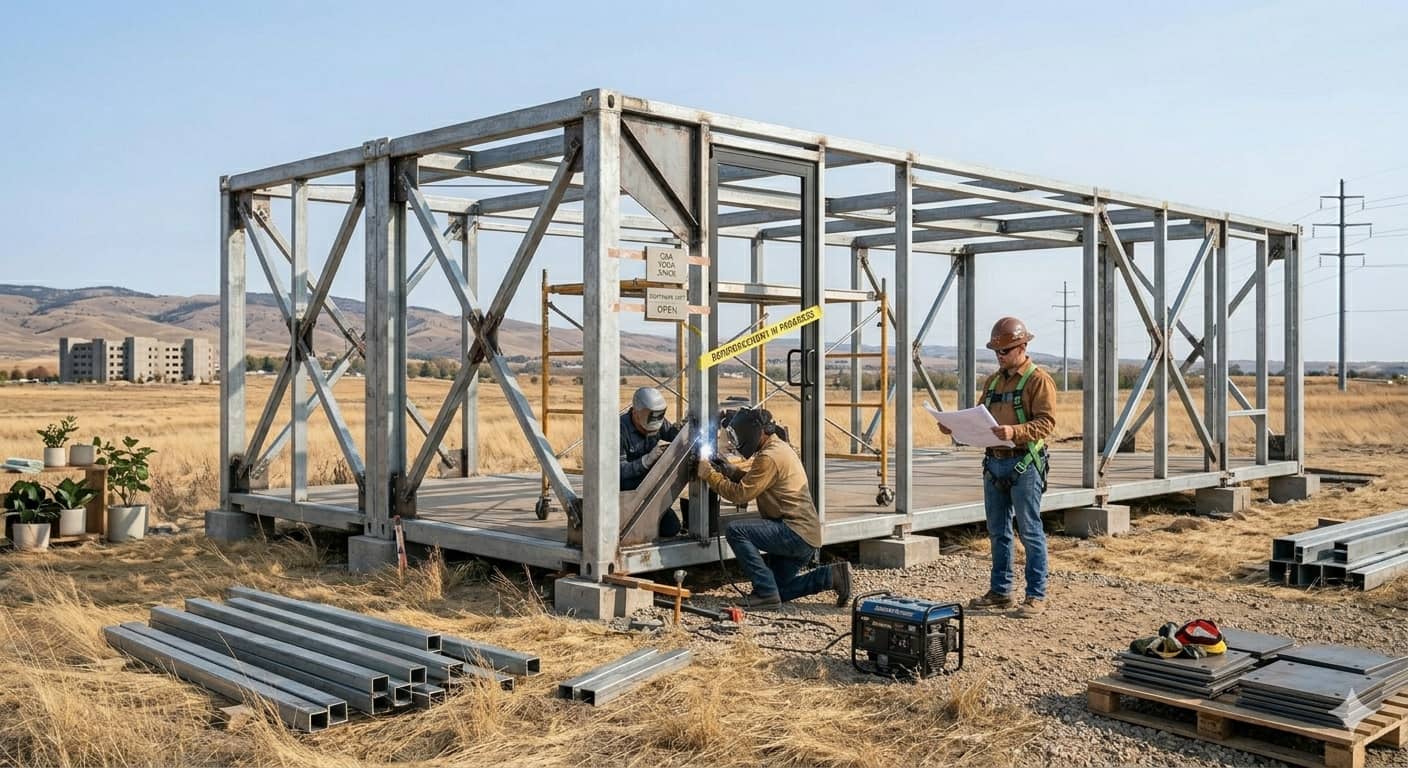
From my experience, customers often assume the highest possible wind rating is the safest bet. But that's not the whole story. The key is to find a rating that is fit for your purpose, not simply the maximum available. Pushing for a rating far beyond what your location requires introduces several trade-offs that can negatively impact your project's budget and timeline. It's about smart engineering, not just brute force. Let’s look at what a higher rating actually means in practice.
A higher wind rating isn't just a number on a spec sheet. It requires tangible changes to the building's structure. This means using thicker, heavier steel for the frame, adding extra support beams, and using stronger connection points. While this makes the unit more robust, it also makes it heavier and more complex to manufacture. This directly impacts the next point: cost.
All that extra steel and engineering work comes at a price. A unit designed for extreme typhoon conditions can cost significantly more than a standard model. This cost increase isn't just for materials; it includes the added labor and design time. If your project is in an area with moderate winds, you could be paying a premium for reinforcement you will never need. I always advise clients to put that budget toward better interior finishes or other features instead.
A heavier unit with a high wind rating needs a more substantial foundation to anchor it securely. This might mean a thicker concrete slab or deeper, more complex ground anchors. These requirements can add time and expense to your site preparation. Transportation can also be affected, as a heavier unit may require specialized equipment for delivery and placement.
| Feature | Standard Rating (e.g., 120 km/h) | High Rating (e.g., 180 km/h) |
|---|---|---|
| Steel Usage | Standard gauge steel frame | Heavier gauge, reinforced steel |
| Foundation | Standard concrete slab or ground screws | Thicker slab, deeper engineered anchors |
| Cost | Baseline price | 15-30% or more increase |
| Installation | Standard crane, simpler anchoring | Heavy-duty crane, specialized anchoring |
You're not sure how to choose the right rating for your project. A wrong guess could mean your building fails inspection or is unsafe. Let's review the key decision factors together.
The right rating depends on your project's specific location, local climate, and building codes. You also need to consider if it's for temporary or permanent use and the foundation you plan to use. It's a decision based on real-world conditions.
When a client asks me for a recommendation, I never give an answer without first understanding their project. A prefab unit destined for a calm, urban area has very different needs from one being installed on an exposed coastal cliff. Selecting the right wind rating is a process of matching the product to the environment. It’s not a one-size-fits-all situation. Let’s explore the critical questions I ask every client to help them determine the appropriate level of wind resistance for their modular building.
This is the most important factor. Is your site in a region known for hurricanes or typhoons? Is it on an open plain with no windbreaks, or in a sheltered mountain valley? A coastal project will always need a higher rating than an inland one. I once worked with a client building a resort on a small island, and we had to design for direct storm exposure, which was completely different from a camp project we supplied for a forested site just 100 kilometers inland.
Many countries and regions have specific building codes that dictate the minimum wind resistance required for any structure, whether it's permanent or temporary. Before you buy, you must check these local requirements. We can help you understand what our ratings mean, but you need to know the rules for your area. Failing to meet local codes can result in costly fines or being forced to remove the structure.
The wind rating of a prefab unit is not just about the structure itself; it's about the entire system, including how it's secured to the ground. A rating is often certified based on a specific type of foundation, like a reinforced concrete slab. If you plan to use a different method, like ground screws or temporary footings, you need to discuss this with us. The anchoring method is just as important as the steel frame in resisting wind forces.
| Factor | What to Consider | Why It Matters |
|---|---|---|
| Location | Is it coastal, mountainous, open, or urban? | Determines the level of wind exposure. |
| Building Code | What are the legal requirements for your area? | Ensures compliance and project approval. |
| Foundation | Will it be on a slab, piers, or ground screws? | The anchoring system is critical to overall stability. |
| Usage | Is it a temporary office or a permanent home? | Permanent structures often face stricter rules. |
Some projects are in high-risk areas where a standard unit is simply not enough. Using a standard model in these places is a recipe for disaster. Let's identify which projects demand extra strength.
Projects in coastal areas, typhoon zones, on islands, or in open, exposed landscapes like deserts or mountains need higher wind resistance. Public-use buildings also have stricter safety standards, requiring more robust structures to ensure everyone's safety during extreme weather.
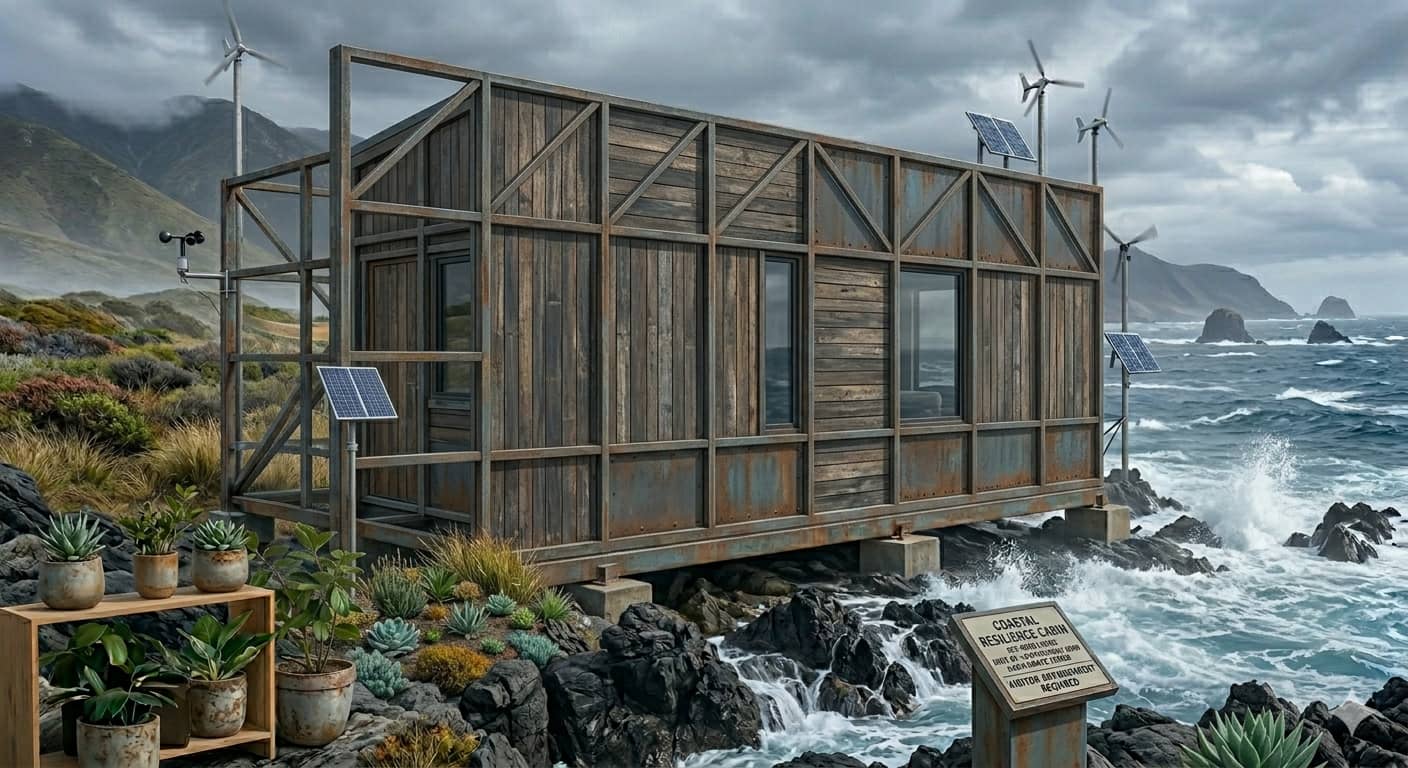
Over the years, I've supplied modular buildings for all kinds of environments. This has given me a clear understanding of which scenarios call for an upgrade in structural strength. While our standard units are very durable, certain projects absolutely require a higher level of wind resistance to ensure safety and longevity. If your project falls into one of the categories below, you should plan for a more robust structure from the very beginning. It's an investment in security and peace of mind.
Any project near the sea is on the front line for storms. Coastal resorts, beachfront cafes, and island homes face direct impact from high winds and storm surges without much to slow them down. For a client building a series of holiday pods on the coast of the Philippines, we specified a structure rated for typhoon-level winds. This included a reinforced frame and a detailed anchoring plan to connect the units to a deep concrete foundation.


Tel : +86-18630605462
Email : info@jhhycontainerhouse.com
5th Floor, 19b Building, 10th Liushan Street, Yanjiao National High-Tech Zone, Langfang, Hebei
leave a message
Scan to wechat :

Scan to whatsapp :