Tel : +86-18630605462 Email : info@jhhycontainerhouse.com

Beijing Jinhuahengyuan Prefab Housing Co., Ltd.
Leading manufacturer of container house, with 150+ global partners
Leading manufacturer of container house, with 150+ global partners
Tel : +86-18630605462 Email : info@jhhycontainerhouse.com
Struggling to find a truly reliable modular housing supplier? You see great photos everywhere but worry about who can actually deliver on your project's complex needs. This is a common problem.
B2B buyers search for "manufacturers" because they need to verify supply capability, reliability, and customization support. This goes far beyond what a simple product page shows and is crucial for the success of any serious project, from a single space capsule to a full resort.
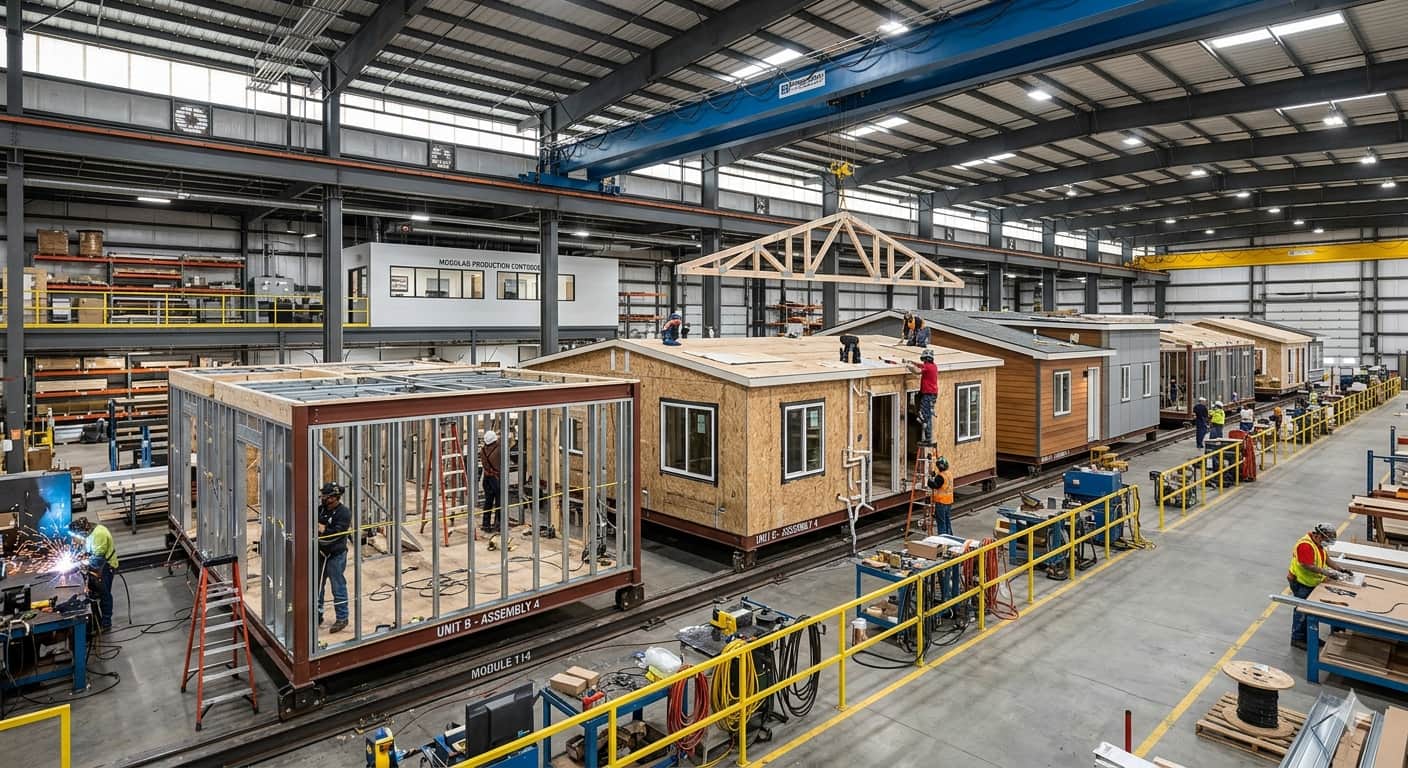
You might think a product search is the fastest way to find what you need. It makes sense if you are just browsing. But for business buyers with real projects, the process is different. They have money and deadlines on the line. Let me explain why focusing on the who behind the product is so important. This small shift in how you search is a smart move for anyone serious about a project. It helps you filter out the noise and find a real partner.
You found the perfect modular cabin online, and the pictures are amazing. But can the seller actually produce 50 of them, customized for your climate, and ship them on time?
Yes. Experienced B2B buyers prioritize a supplier's manufacturing capability over slick product photos. They know that pictures can be misleading, but a factory's ability to produce, customize, and deliver is what truly matters for a successful project order. A pretty picture doesn't guarantee a solid structure.
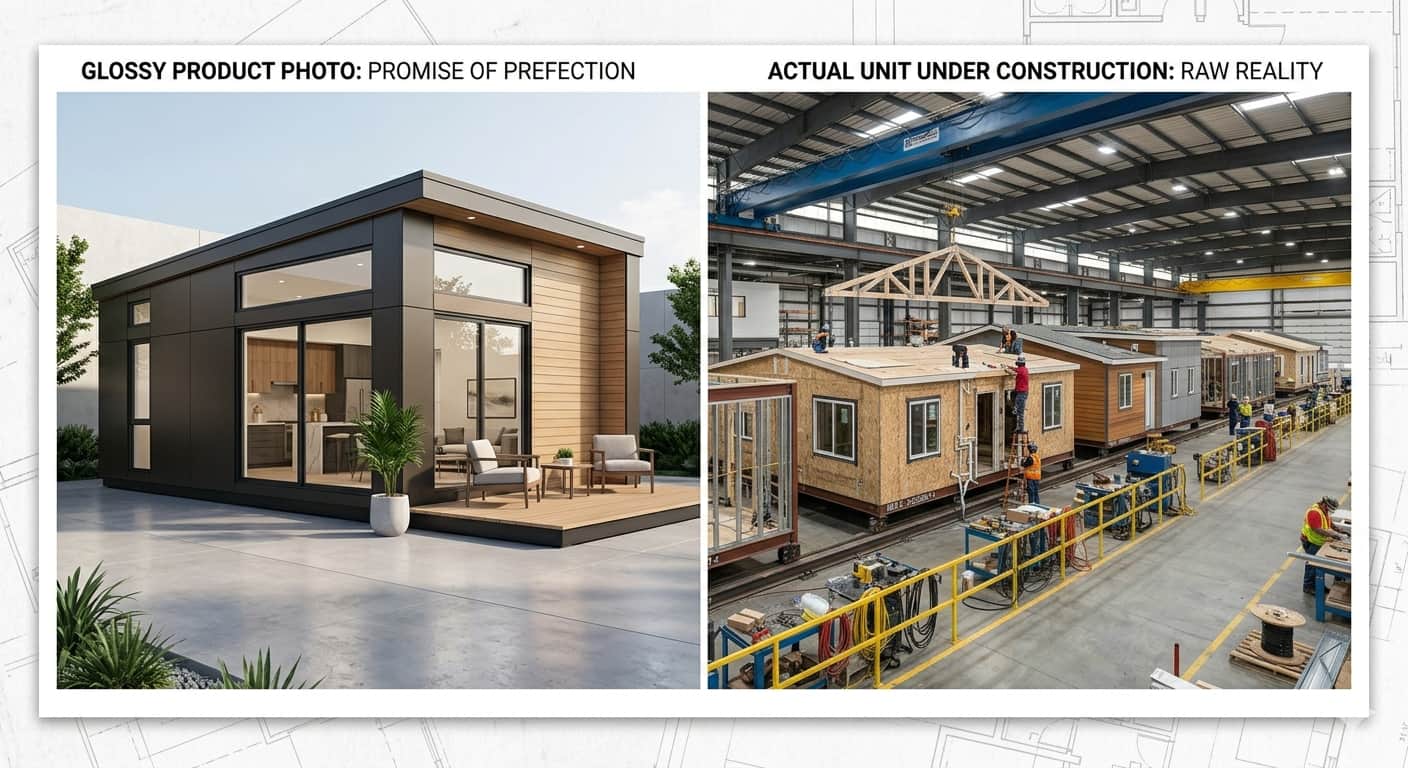
When a typical person shops online, they are drawn to beautiful images. A B2B buyer is different. They are evaluating a potential business partner, not just a single item. I've seen it many times. A buyer for a resort project will scroll right past a flashy product page if there is no information about the company behind it. They know that product photos for things like Apple cabins or modular homes can look very similar across dozens of websites. Some are even the same stock photos.
What they want to know is what happens after the photo. Can this supplier actually build it? Can they make the changes I need? Can they manage the logistics to get it to my country? For project orders, the supplier's strength matters far more than a surface-level presentation. A product page shows what a supplier lists for sale. A manufacturer-focused search helps a buyer understand what the supplier can actually do.
| Focus Area | What a Product Page Shows | What a Manufacturer Search Reveals |
|---|---|---|
| Reality | An ideal, finished product | The production process, materials, and scale |
| Customization | Standard features and options | The technical ability to modify designs |
| Volume | A single unit | The capacity for bulk and repeat orders |
| Trust | A promise | Evidence of investment and expertise |
Are you worried about sending a deposit to a company you've never met? This uncertainty can stop a project before it even starts. It is a completely normal fear in international trade.
Searching for "manufacturers" helps buyers reduce this risk early on. It lets them check for real factory evidence, look at production lines, and ask about experience with export projects. This simple search term helps filter for suppliers who are more likely to be stable and reliable partners.
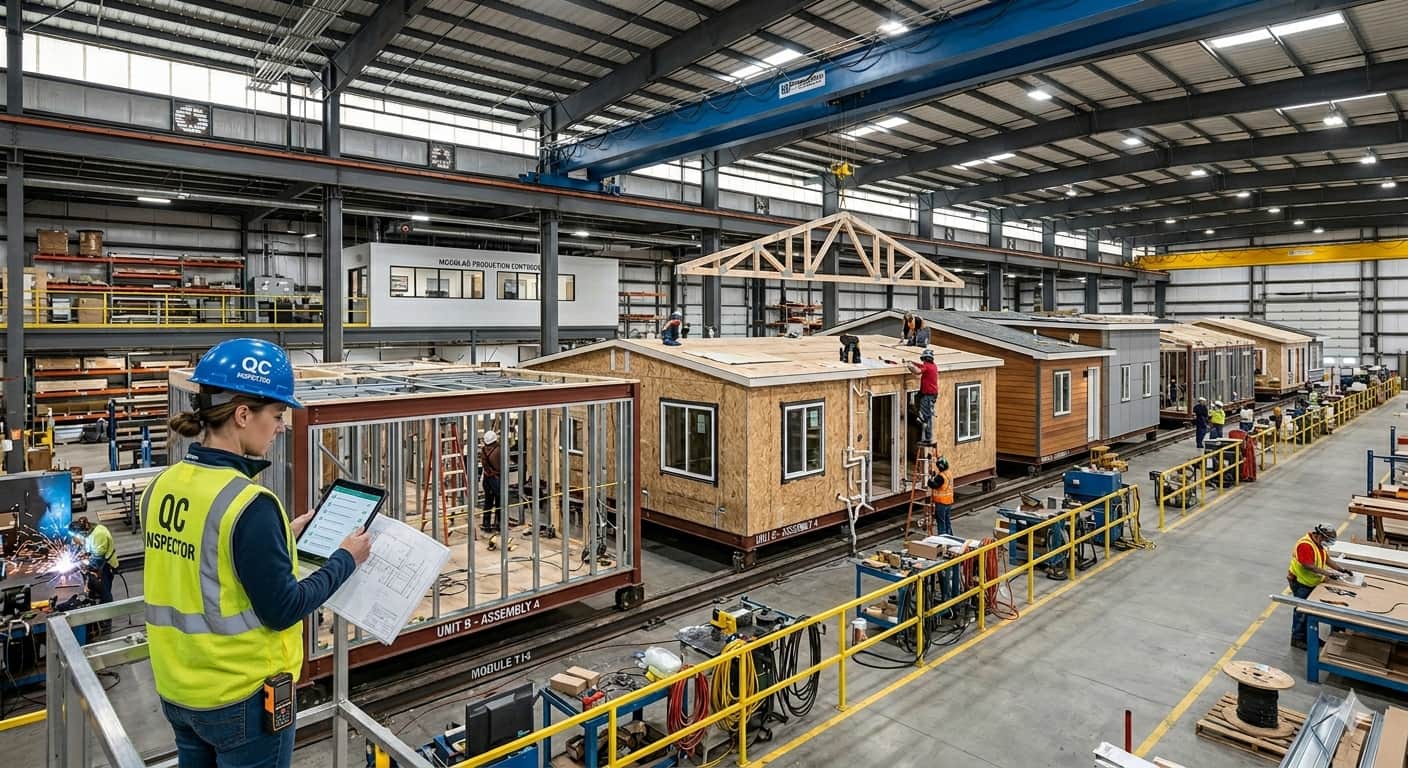
Buyers search for manufacturers because they want to reduce uncertainty as quickly as possible. When they land on a website, they are looking for clues. They are asking themselves a list of questions:
I remember a client from Canada who was burned by a trading company that disappeared after taking his deposit. It was a terrible experience for him. Now, he told me he only searches for "space capsule manufacturers" and his first request on any call is a live video tour of the factory. He is not being difficult; he is being smart. He is protecting his investment. This is what searching for a manufacturer is all about. It is a self-protection tool for the buyer.
You have found many options by searching for "Apple cabin" or "modular office." But now you need specific insulation for a cold climate, a different interior layout, and electrical wiring that meets your local code.
Product keywords are great for initial discovery, but they are often not enough for complex B2B projects. These projects require deep support on customization, compliance, and logistics. This demands a supplier with real coordination ability, not just a product catalog with standard options.
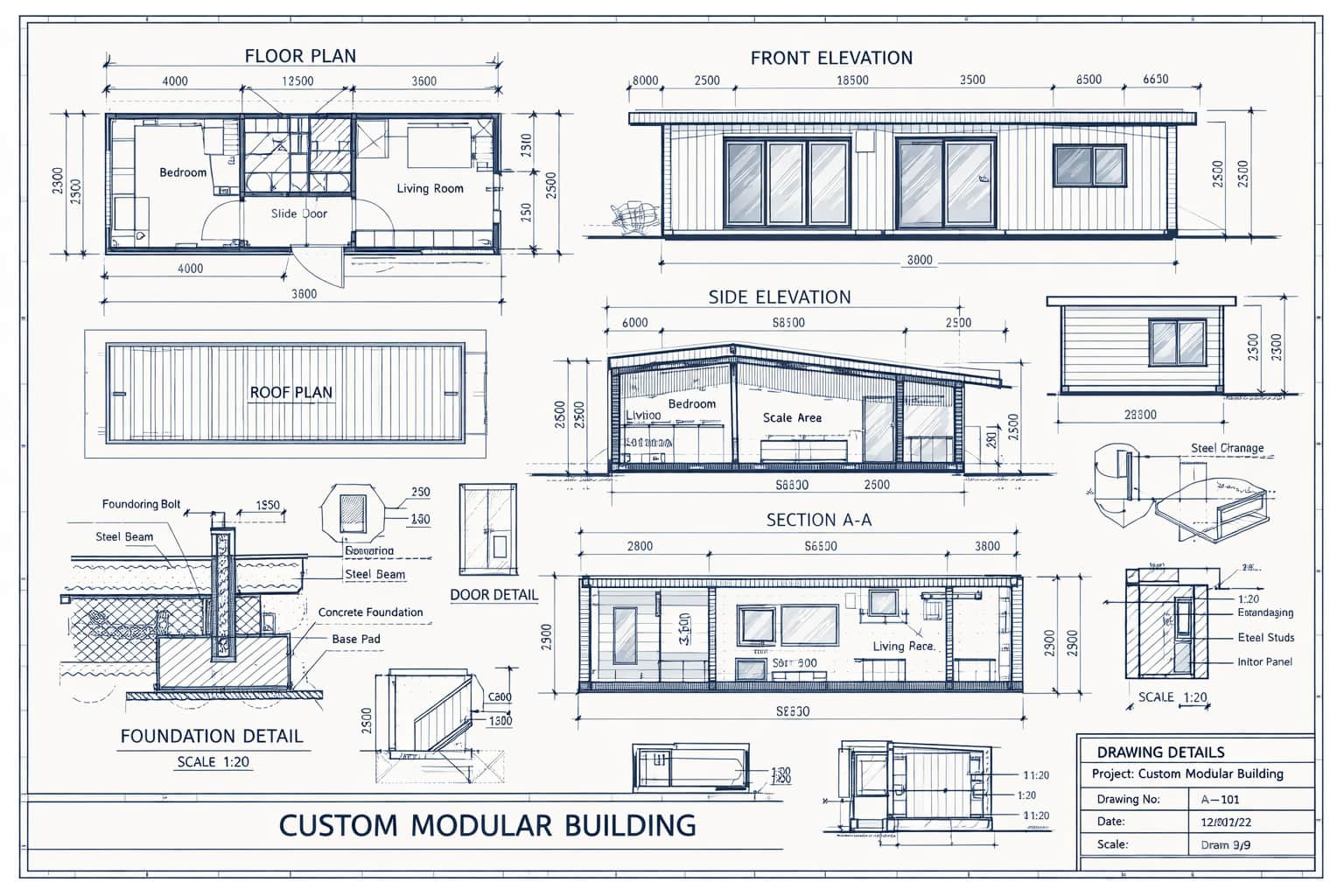
Let's be clear: product keyword searches are useful. They help buyers discover what is possible and see the different styles available. A search for "prefabricated tiny home" can give a buyer a lot of inspiration. But inspiration is just the first step. Project-based procurement requires a much deeper evaluation. B2B buyers often need direct support with a long list of technical details.
For example, a camp-site developer might need to adjust the size to fit a specific plot of land. They may need a different layout to accommodate a family. They need to know the insulation is good enough for their winters. They also need to figure out the best way to load the units into containers to save on shipping. Finally, they need to ensure the whole structure complies with local rules. This level of detail requires a supplier with real coordination ability. A simple product catalog doesn't answer these questions. A product keyword helps start the search. A manufacturer keyword helps move the purchase forward.
| Search Type | What It Helps You Do | Best For |
|---|---|---|
| Product Keyword (e.g., "space capsule house") | Discover options, get ideas, see styles | Initial research, browsing |
| Manufacturer Keyword (e.g., "modular home manufacturer") | Verify capability, discuss details, evaluate partners | Serious projects, customization, procurement |
Your project requires a unique modular design. But many suppliers you contact only offer standard models. It feels like you are hitting a wall with every new inquiry you send.
Buyers who expect customization naturally search for manufacturers. This is because manufacturers are the ones who can actually build the solution from the ground up. They can discuss technical details, confirm layout changes, and handle configuration upgrades directly, saving valuable time and frustration.
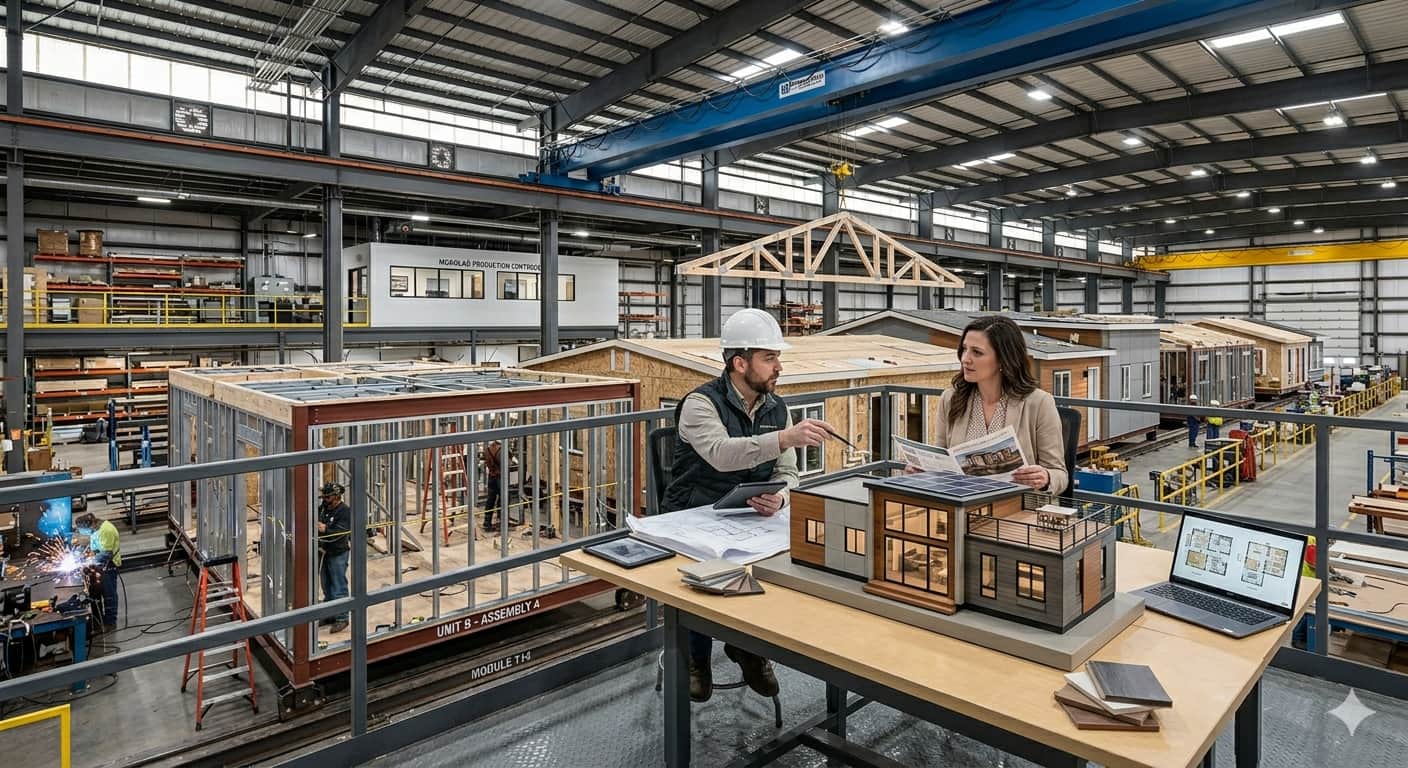
Many B2B orders are not for standard products. In my experience, over half of our projects involve some form of customization. It could be a simple layout change in an Apple cabin or a complete size adjustment for a commercial building. Buyers need to know if these requests are possible, how much they will cost, and how quickly they can be confirmed. When you talk to a company that only resells products, they often have to go back and ask the factory. This adds delays and creates communication problems.
Searching for manufacturers often leads buyers directly to suppliers who can discuss technical details. This is especially important for projects like:
When buyers expect customization, they naturally care more about who can build the solution than who can just list the product. Finding a true manufacturer means they are talking to the source. It makes the entire process of developing a custom solution smoother and faster.
You are not just buying one unit for a single event. You are planning a multi-phase project or a business that will need more units in the future. You need a partner for the long run, but how do you find one from the start?
Yes, many B2B buyers are planning for the future. They search for manufacturers because they want stable communication, repeatable quality, and a partner who can support future expansion. This search reflects a long-term mindset, not just a desire for a one-time transaction.
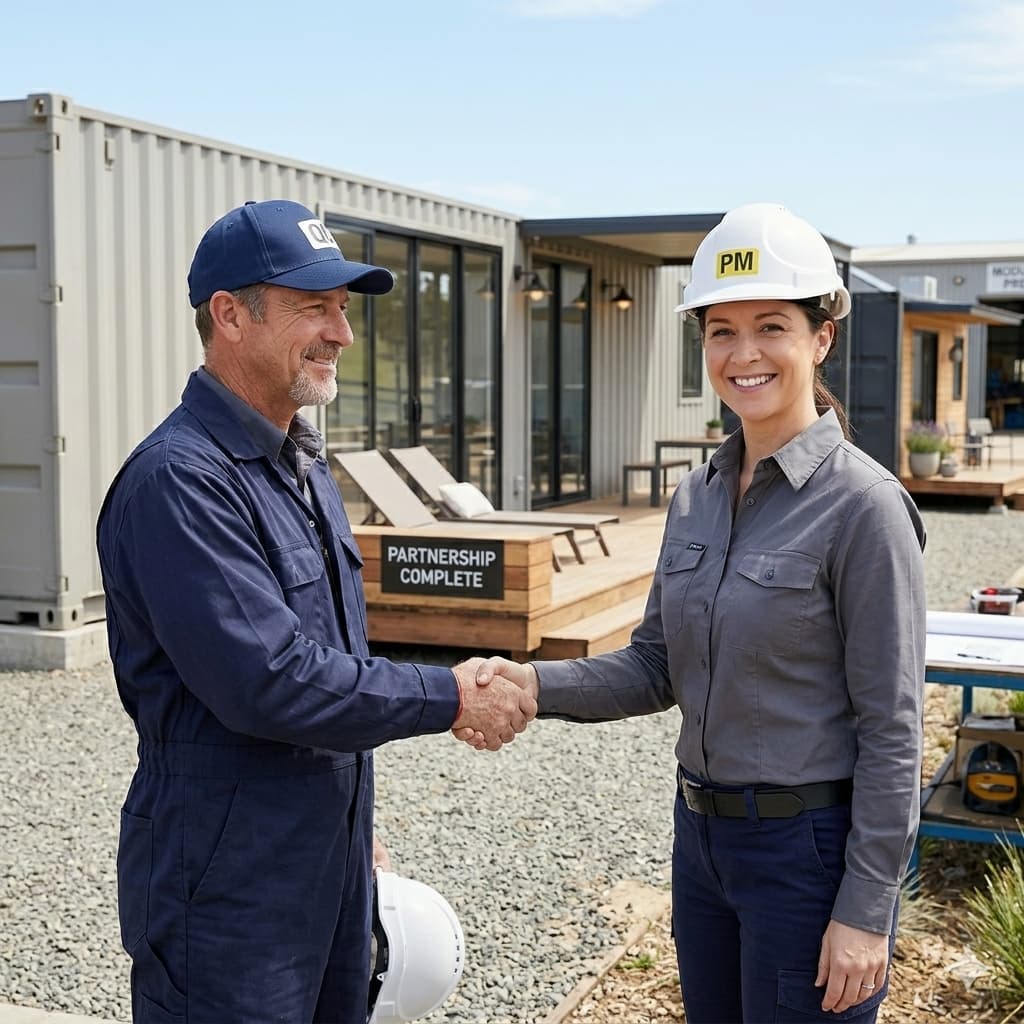
B2B buyers are often planning future orders, not just one shipment. A resort owner might start with five cabins but plan to add ten more next year. A construction company might buy a modular office for one site, knowing they will need identical ones for future projects. For them, the supplier relationship is critical. They want to find a partner they can rely on for years.
This is why they search for manufacturers. They are looking for signs of stability. A manufacturer has invested in land, buildings, and machinery. They are less likely to disappear overnight. Buyers want:
Searching for "manufacturers" is not just about finding the best price for one order. It is a strategic decision that reflects a long-term mindset. It is about building a predictable and reliable supply chain for their own business's future growth.
You have received quotes from traders and factories for your project. The prices and promises are all different, and it is hard to know which sourcing model is best for your complex project.
Searching for "manufacturers" is a way for buyers to actively filter their sourcing options. It helps them understand the supply chain's structure and decide if a direct factory, a trader, or a hybrid model is the right fit for their specific project needs and complexity.
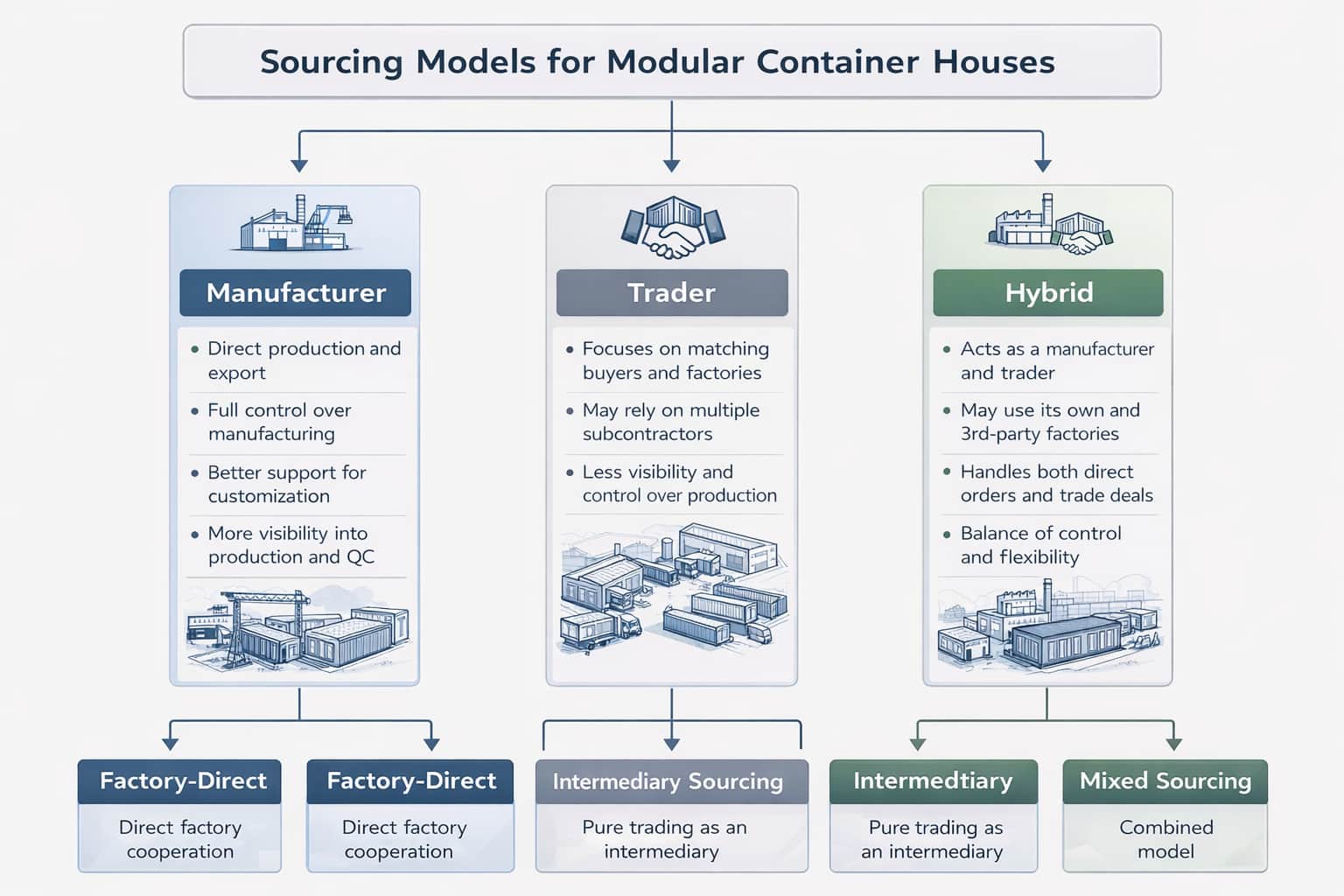
In the world of international trade, not all suppliers are the same. Some suppliers are direct manufacturers who own and operate their factories. Some are trading companies that specialize in sourcing and logistics but do not produce anything themselves. And some are large companies that do both. Buyers who search specifically for manufacturers are often trying to understand this landscape. They want to know who they are talking to and how the supply chain is structured.
This is not about attacking traders. Good trading companies provide valuable services. But for certain types of projects, especially complex or custom ones, buyers often feel more comfortable working directly with the source of production. The more complex the project is, the more buyers tend to care about how the supply chain is structured. They want to minimize the number of communication layers to avoid misunderstandings about technical specifications.
| Factor | Working with a Direct Manufacturer | Working with a Trading Company |
|---|---|---|
| Technical Communication | Direct access to engineers and production team. | Communication is relayed through the trader. |
| Customization | High flexibility, fast confirmation. | Limited by factory's willingness; can be slower. |
| Price | Often more competitive for standard items. | Can sometimes be higher due to margin. |
| Problem Solving | Faster resolution of production issues. | Depends on the trader's relationship with the factory. |
| Process Visibility | Can visit the factory, see production. | Usually cannot provide direct factory access. |
In short, searching for manufacturers is a strategic move for B2B buyers. It helps them find reliable, capable, and long-term partners who can deliver customized modular projects successfully and securely.


Tel : +86-18630605462
Email : info@jhhycontainerhouse.com
5th Floor, 19b Building, 10th Liushan Street, Yanjiao National High-Tech Zone, Langfang, Hebei
leave a message
Scan to wechat :

Scan to whatsapp :