Tel : +86-18630605462 Email : info@jhhycontainerhouse.com

Beijing Jinhuahengyuan Prefab Housing Co., Ltd.
Leading manufacturer of container house, with 150+ global partners
Leading manufacturer of container house, with 150+ global partners
Tel : +86-18630605462 Email : info@jhhycontainerhouse.com
Struggling to turn website traffic into real inquiries? Your marketing might be making claims, but buyers need proof. They want specifics, not just promises, before they trust you.
Evidence-based content converts better because it gives prefab housing buyers specific, verifiable proof. This includes real project photos, factory tours, detailed specs, and case studies that help them evaluate quality, manage risk, and trust your business as a reliable supplier.
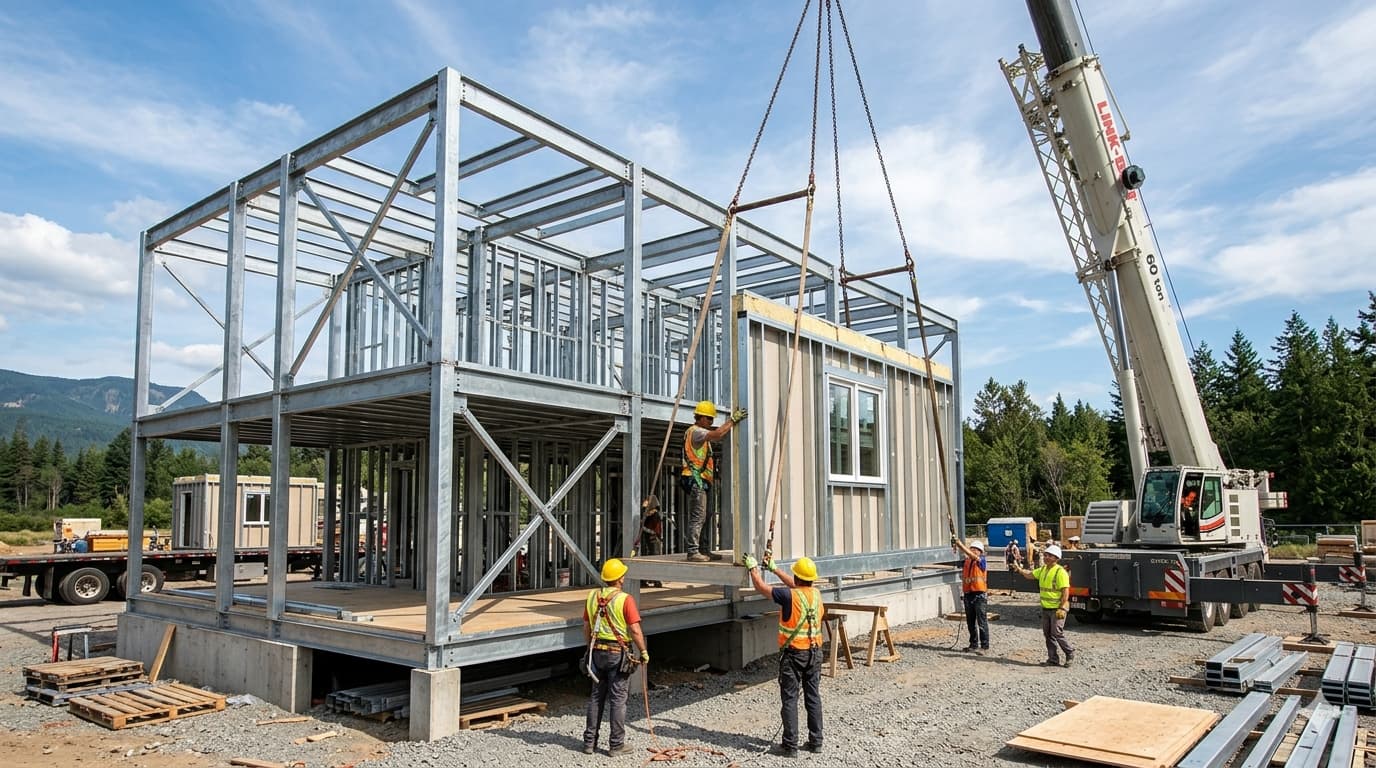
I've been in this business for a long time, and I see the same pattern again and again. A potential buyer lands on a website, sees beautiful pictures, but can't find the answers to their real questions. They are not just browsing; they are trying to solve a problem for a project. They want to know if a supplier is credible before they even think about sending an email. That's why we need to shift our thinking from just attracting visitors to building their confidence. This article will break down how to do that with content that proves your worth.
Your website claims "high quality," but your competitors say the same thing. This creates confusion and doubt for buyers, who can't tell one supplier from another.
For prefab housing, evidence-based content means showing, not just telling. It includes real project photos, factory production details, clear product specifications, material explanations, case studies, and transparent shipping information. It replaces vague marketing language with concrete proof that builds trust.
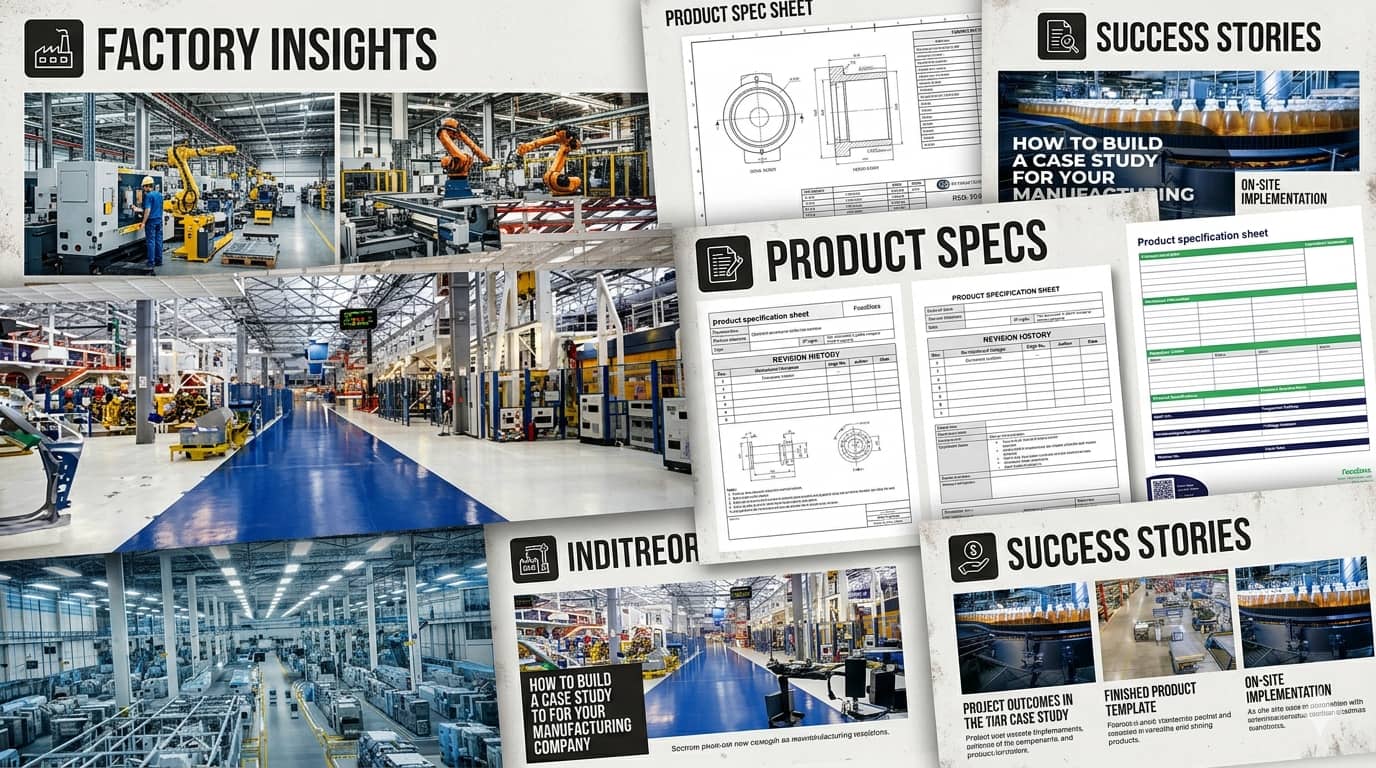
When we talk about evidence, we're not talking about writing a dense technical manual. We are talking about providing the right information to answer a buyer's unasked questions. Buyers are always cautious. They are thinking, "Is the structure reliable? Are the materials as good as they look in the pictures? Can this supplier actually deliver?" Generic claims don't answer these questions. Evidence does. I once had a client who was comparing three suppliers. Two had beautiful websites with generic claims. The third showed a video of their packing process and a detailed loading diagram for a 40'HQ container. The client told me that small piece of evidence made the decision for them. It proved the supplier understood the practical challenges of international shipping.
Here’s what this type of content looks like in practice:
| Type of Evidence | Why It Works |
|---|---|
| Real Project Photos | Shows your product in a real-world setting, proving it's not just a concept. |
| Factory & Production Details | Demonstrates your scale, capability, and quality control processes. |
| Detailed Specifications | Gives buyers the numbers they need: dimensions, weight, materials, and performance data. |
| Case Studies | Tells a story of how your product solved a problem for a similar customer. |
| Shipping & Packing Info | Proves you understand logistics and can deliver the product safely and efficiently. |
| Test Reports & Certifications | Provides third-party validation of your quality and compliance standards. |
You've invested in a professional website filled with phrases like "turnkey solution." Yet, your inquiry form remains quiet. Buyers are seeing your message but not acting on it.
Generic marketing fails because it makes unverified claims. Phrases like "competitive price" and "professional manufacturer" are ignored by savvy B2B buyers who need to reduce risk. They seek proof, not polished sales language, to make a high-consideration purchase decision.
In the B2B prefab housing market, buyers are not looking for a sales pitch; they are looking for a partner. They have a project with a budget and a timeline, and their reputation is on the line. Unsupported claims actually increase their sense of risk. When they read "customized service," their first thought is, "What does that actually mean? Can you show me an example of a custom project you completed?" If your content doesn't provide that next layer of detail, you lose their trust instantly. They will simply click away and find a supplier whose website does the work of answering their questions. I've learned that the more you can make a buyer feel like they are making a safe, informed choice, the more likely they are to contact you. Vague language does the exact opposite.
This is why a B2B prefab housing marketing strategy focused on generic content will always struggle with lead conversion. Buyers are trained to filter out noise. Your content needs to be the signal.
Getting a buyer to trust you is the biggest hurdle. They are often thousands of miles away and have never met you. How can your content bridge that gap effectively?
Evidence builds trust by making the intangible tangible. It reduces a buyer's uncertainty with clear specs and photos, helps them judge quality objectively, and proves you can support their project's logistical needs. This turns doubt into the confidence needed to send an inquiry.
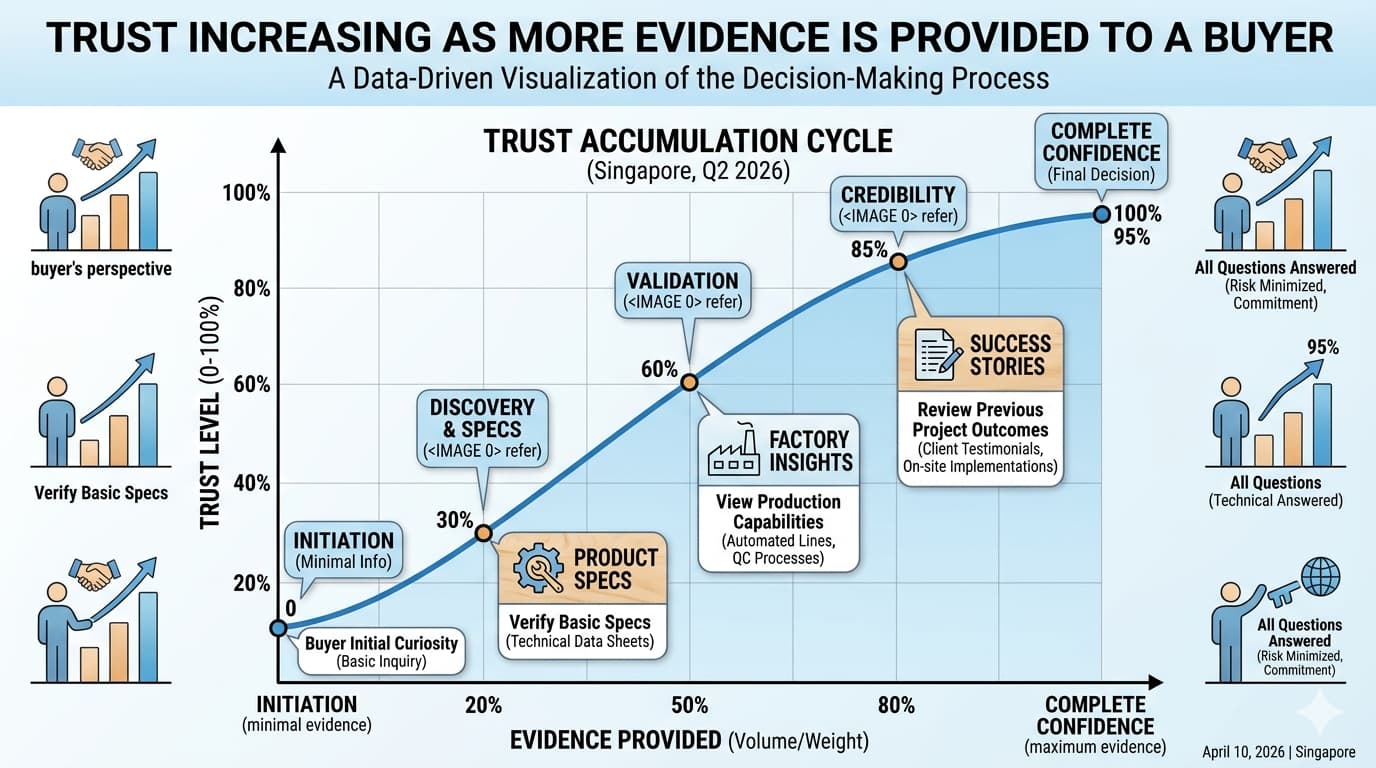
A prefab house is a significant investment, and the decision process is complex. Evidence-based content directly addresses the buyer's core concerns at each step. First, it reduces their initial uncertainty. When a potential customer from a new market sees a case study from a project in a similar climate, it instantly makes your product feel more relevant and less risky. Second, it makes quality far easier to judge. Instead of just saying "durable steel frame," show them a picture of the galvanized Q235 steel profile, and state its thickness. This allows them to compare your product to others on a factual basis. Finally, evidence supports their broader project decisions. Many of our clients are not just buying one unit; they are planning a whole camp or resort. Seeing photos of how our units are packed, shipped, and installed gives them the confidence that we can handle the logistics of a larger order. This practical proof is what separates serious suppliers from the rest and is a key part of any effective modular building content strategy.
You know you need to provide proof, but what information matters most? Focusing your efforts on the wrong details won't help you stand out or build the right kind of trust.
The best-converting evidence directly answers a buyer's practical questions. This includes real factory photos showing your capabilities, case studies for specific uses like camps or offices, and clear numbers like unit dimensions, loading quantities, and installation times.
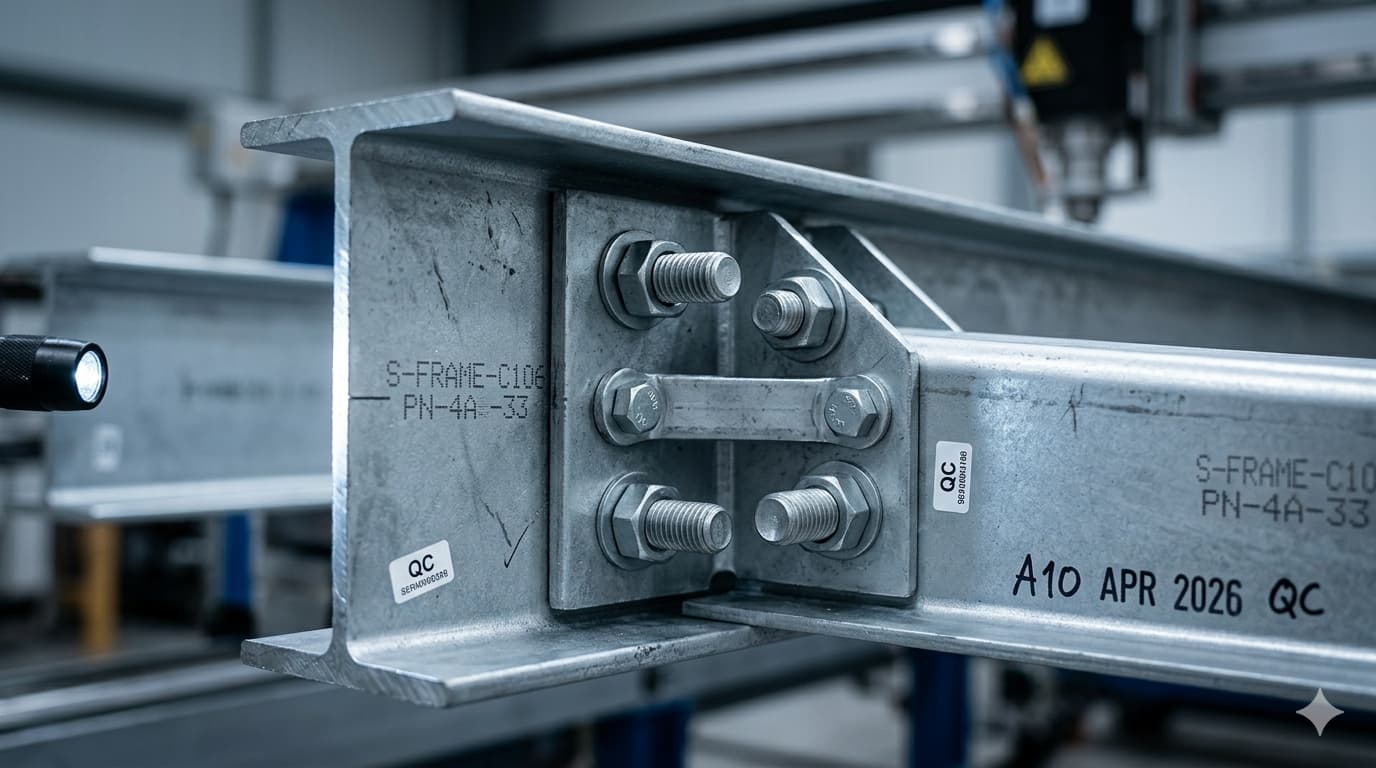
Over the years, I've noticed that certain types of evidence have a much bigger impact on lead conversion. Buyers respond best to content that feels authentic and is highly practical. Renderings are nice, but a simple photo of a finished unit on a truck, ready for delivery, is often more powerful. It proves the product is real and you know how to ship it. Case studies are another big one. A project manager for a mining camp wants to see how your modular buildings were used at another mining camp, not a luxury resort. The context is everything.
Here are the types of evidence that I've found work best in prefab housing marketing:
Is creating all this detailed content worth the effort? You might wonder if a simple, attractive sales page could do the job just as well with less work.
Evidence-based content is the clear winner. It builds deep trust, improves buyer understanding, and generates high-quality inquiries. This leads to faster decisions and a much more efficient sales process compared to generic content, which often creates doubt and low-value leads.
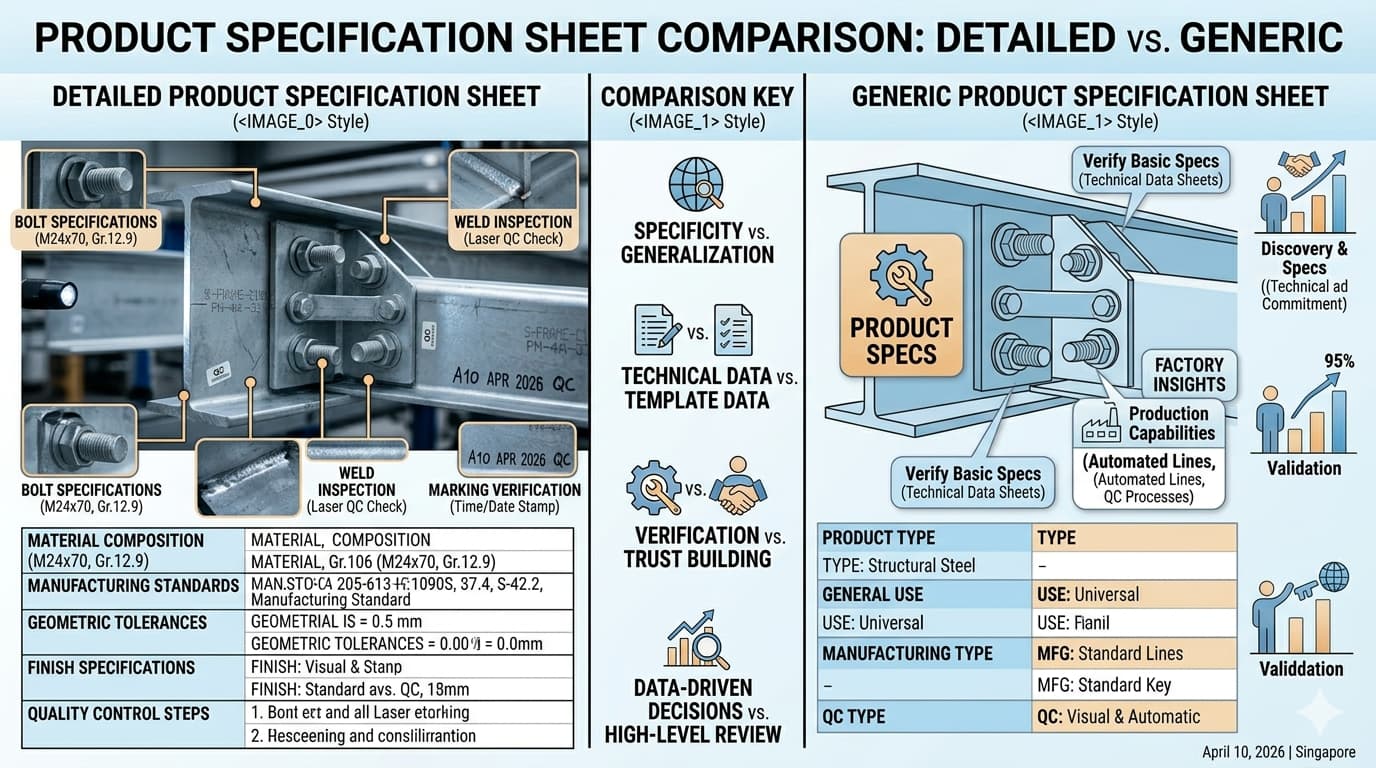
The difference between these two approaches becomes obvious when you look at the results they produce. Generic content might attract a lot of clicks, but it leads to a high bounce rate and vague inquiries like "price?" Evidence-based content, on the other hand, acts as a filter. It educates the buyer, answers their questions upfront, and qualifies them before they even contact you. An inquiry that comes from a page with detailed specs and a case study is almost always from a more serious, knowledgeable buyer. This makes the entire sales follow-up process smoother and more effective. Your sales team can spend less time educating prospects on the basics and more time discussing the specifics of their project. In my experience, investing time in creating strong, evidence-based content pays for itself many times over with better leads and shorter sales cycles.
Here is a direct comparison:
| Metric | Generic Sales Content | Evidence-Based Content |
|---|---|---|
| Trust | Low. Creates suspicion with unproven claims. | High. Builds confidence with verifiable proof. |
| Buyer Understanding | Poor. Leaves buyers with many unanswered questions. | Excellent. Educates buyers and helps them self-qualify. |
| Inquiry Quality | Low. Generates vague inquiries like "price?" | High. Attracts specific, project-based inquiries. |
| Time to Decision | Long. Buyers need extensive follow-up to get answers. | Short. Buyers are already well-informed and confident. |
| Sales Efficiency | Low. Sales team spends time on basic education. | High. Sales team can focus on closing qualified leads. |
Ultimately, effective prefab housing marketing isn't about shouting the loudest. It's about earning trust with clear, honest, and helpful information that empowers buyers to make a confident decision.


Tel : +86-18630605462
Email : info@jhhycontainerhouse.com
5th Floor, 19b Building, 10th Liushan Street, Yanjiao National High-Tech Zone, Langfang, Hebei
leave a message
Scan to wechat :

Scan to whatsapp :