Tel : +86-18630605462 Email : info@jhhycontainerhouse.com

Beijing Jinhuahengyuan Prefab Housing Co., Ltd.
Leading manufacturer of container house, with 150+ global partners
Leading manufacturer of container house, with 150+ global partners
Tel : +86-18630605462 Email : info@jhhycontainerhouse.com
Struggling with vague quotes and mismatched proposals for your modular building project? This wastes time and money, creating endless back-and-forth communication that delays your project.
To write a clear modular housing brief, you must detail your project's purpose, exact dimensions, required configurations, target budget, and delivery location. This helps suppliers like us provide accurate quotes and suitable solutions quickly, avoiding costly misunderstandings and project delays.
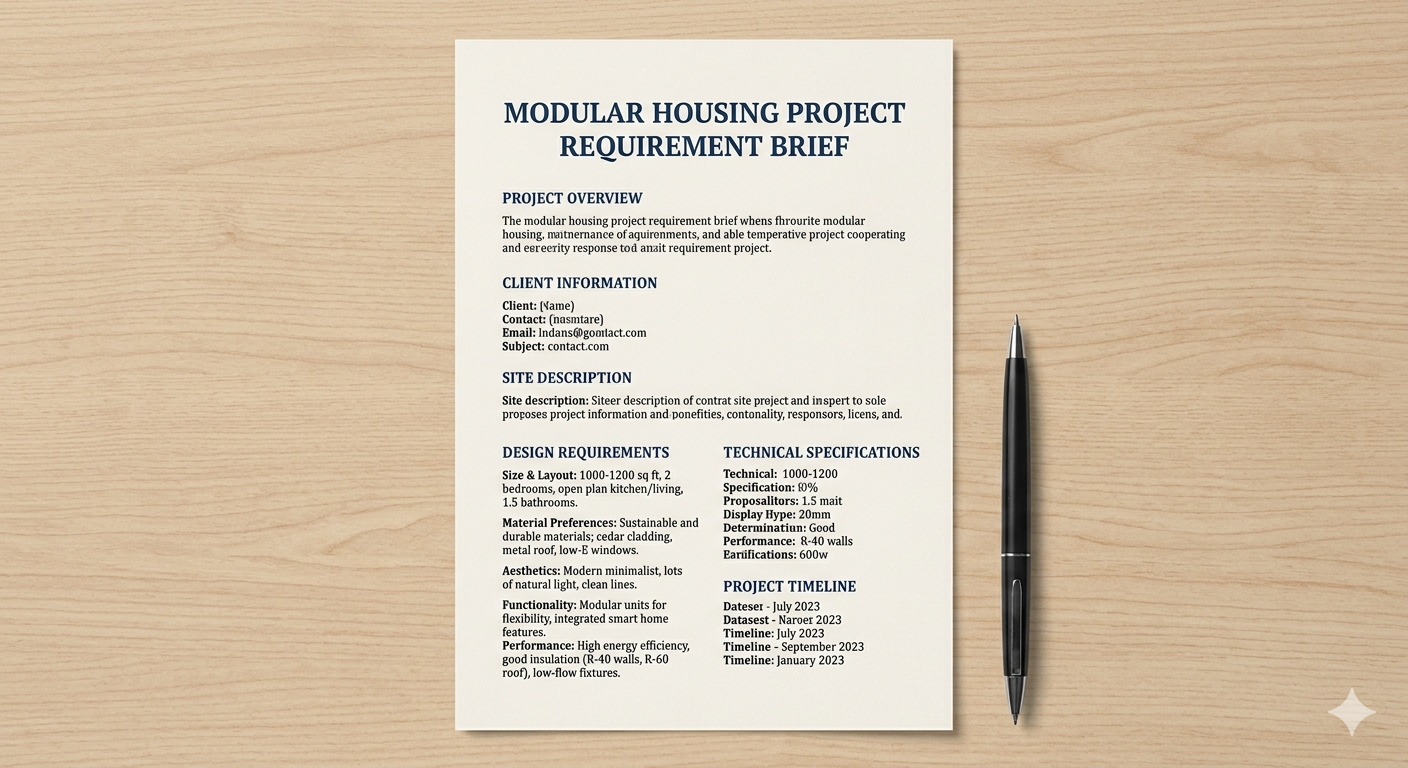
You might be thinking, "Isn't it the supplier's job to figure all this out?" Based on my years of experience exporting modular homes, I can tell you that the most successful projects always start with a clear brief from the buyer. It creates a solid foundation for everything that follows and makes the entire process smoother for both of us. It is the single most important step you can take to ensure your project's success. Let's break down exactly what you need to include to make your brief powerful and effective.
Are you tired of receiving vague quotes that seem to change every time you ask a question? This uncertainty makes it impossible to budget properly or compare different suppliers fairly.
A detailed brief prevents miscommunication by clearly defining your project's goals, intended use, and specific technical needs. This allows us to provide a precise, itemized quote based on your exact requirements, ensuring the price you see is the price you can count on, without surprise changes later.
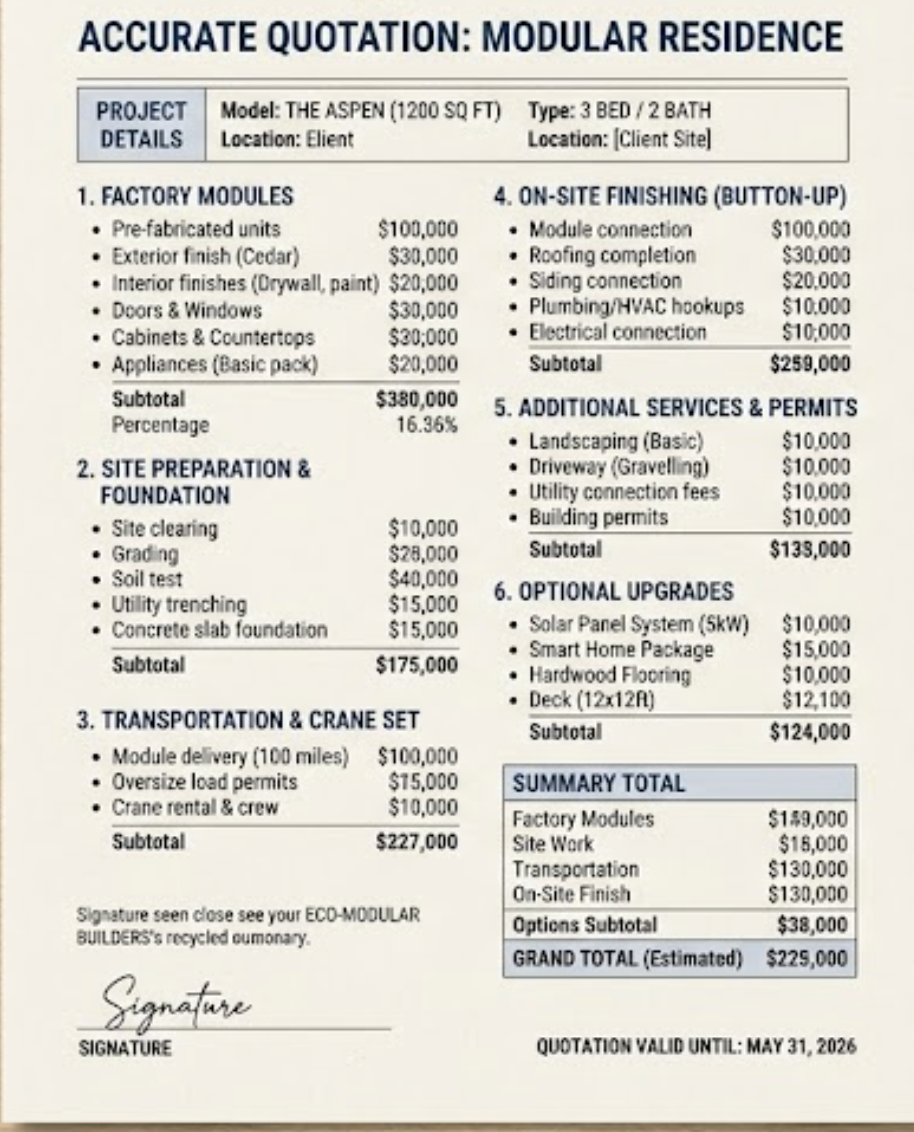
When my team receives a vague request like, "I need a price for a modular house," we are forced to make assumptions. Is this unit for a high-end tourist resort, a temporary construction office, or a backyard studio? Is it going to be located in a freezing cold mountain range or a hot, humid coastal area? These factors dramatically change the cost because they affect the choice of materials, insulation, and structural requirements. A clear brief removes this guesswork.
The first thing we need to know is how the building will be used. A modular cabin for a ski resort needs thick wall insulation, double-glazed windows, and a robust heating system. A commercial kiosk for a sunny beach needs excellent ventilation and UV-resistant exterior panels. When you tell us the exact purpose, we can recommend and price the right solution from the start.
Being specific about technical details is crucial for an accurate quote. Instead of just saying you want a "modern look," tell us you want "dark grey aluminum composite panels with a large, floor-to-ceiling glass window on the front facade." This level of detail makes a huge difference.
| Vague Request | Clear Request | Impact on Quote |
|---|---|---|
| "A small cabin" | "A 25 sq. meter cabin for a ski resort, must withstand -20°C" | We can quote the correct insulation, windows, and structure. |
| "Need modern look" | "Exterior in dark grey aluminum composite panels with large glass front" | We know the exact materials, avoiding cost assumptions. |
| "Basic interior" | "Interior with one bathroom (toilet, shower, sink), kitchenette area, vinyl flooring" | We can price specific fixtures and finishes accurately. |
Are you frustrated by slow responses from suppliers when you ask for a custom design? Waiting days for a simple answer or a design option can stall your entire project timeline.
To get faster responses and make customization easier, provide your desired dimensions, a simple layout sketch, and a list of internal configurations. Also, mention your target market's standards. This lets our team quickly create a tailored proposal and 3D model for your review.
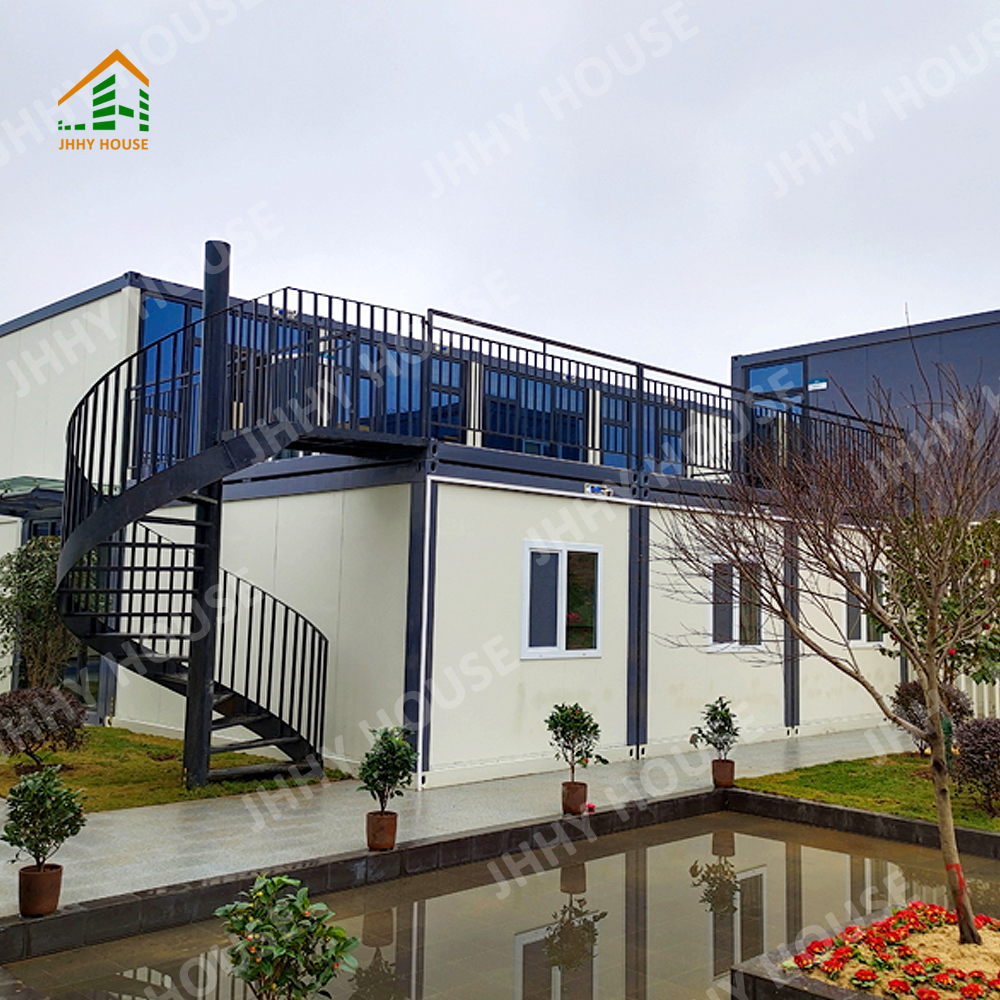
From our side, a complete brief is like getting a perfect roadmap. We don't have to spend days emailing back and forth asking for basic information like dimensions or electrical standards. Instead, we can immediately get to work. I can pass your brief directly to our engineering team, and they can start creating a draft design and technical drawing for you, often within 24 to 48 hours. This efficiency is impossible without your clear initial input.
You don't need to be an architect. A simple, hand-drawn sketch of the floor plan is incredibly valuable. It shows us where you imagine the door, windows, rooms, and bathroom should be. This visual guide helps our designers translate your idea into a professional 3D rendering much faster because they aren't guessing your preferred layout.
Are you worried about unexpected costs suddenly appearing after you've already signed a contract? These "hidden fees" for things you thought were included can destroy your budget and create serious distrust.
A clear brief acts as a foundational document for your contract. By specifying everything from materials and finishes to delivery terms and installation requirements, it leaves no room for ambiguity. This ensures all foreseeable costs are included upfront, preventing future disputes over scope and payment.

I have seen projects run into trouble over small details that were not discussed at the beginning. For example, a buyer might assume high-end, triple-pane windows are included in the price, while the supplier quoted for standard double-pane windows to keep the cost competitive. A clear brief prevents this kind of misunderstanding. It forces both parties to agree on every detail before the contract is signed, creating a transparent and trustworthy partnership. This document becomes the single source of truth for the entire project.
Your brief should be more than a product description; it should be a checklist for the final contract. It needs to cover not just the modular unit itself, but the entire scope of services you expect. This includes shipping, potential on-site support, and required certifications. When these are defined early, they become part of the official agreement.
To avoid any surprises down the line, be very explicit about every component and service you expect to receive. Misunderstandings most often happen in a few key areas. Addressing them in your brief will save you headaches later.
| Area of Clarification | Example Detail | Why It Prevents Disputes |
|---|---|---|
| Material Specifications | "Exterior walls: 75mm PU sandwich panel; Interior walls: bamboo fiberboard" | Prevents arguments about material quality upon delivery. |
| Shipping & Incoterms | "Price based on CIF to Port of Los Angeles, USA" | Clearly defines who is responsible for shipping costs and risks. |
| Installation Support | "Requesting one engineer for on-site installation guidance for 7 days" | Clarifies the level of support included in the price. |
| Certifications | "All electrical components must be CE/UL certified" | Ensures the final product meets your market's legal requirements. |
In short, a clear and detailed requirement brief is your most powerful tool. It ensures you get the right product, at the right price, with fewer problems along the way.


Tel : +86-18630605462
Email : info@jhhycontainerhouse.com
5th Floor, 19b Building, 10th Liushan Street, Yanjiao National High-Tech Zone, Langfang, Hebei
leave a message
Scan to wechat :

Scan to whatsapp :