Tel : +86-18630605462 Email : info@jhhycontainerhouse.com
Beijing Jinhuahengyuan Prefab Housing Co., Ltd.
Leading manufacturer of container house, with 150+ global partners
Leading manufacturer of container house, with 150+ global partners
Tel : +86-18630605462 Email : info@jhhycontainerhouse.com
Tired of construction projects dragging on forever? The constant delays and rising costs can be a nightmare. But there's a much faster way to build your project.
Prefab homes are built faster because most of the work happens in a factory. This controlled setting allows for parallel workflows, avoids weather delays, and uses standardized parts. The result is a streamlined process from production to final on-site assembly, cutting down total construction time significantly.
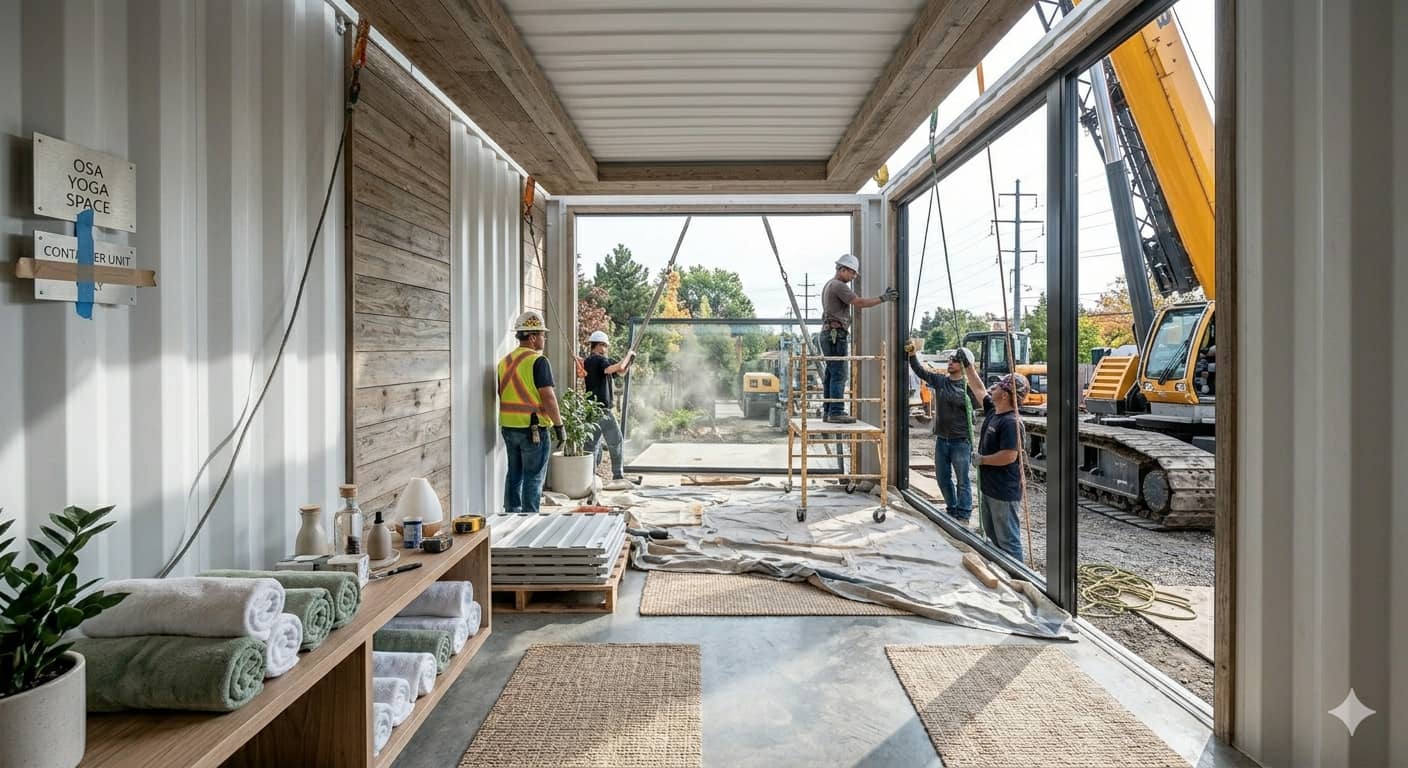
I've seen countless clients frustrated with traditional building timelines. The uncertainty can kill a project's profitability. It made me realize that speed isn't just a feature; it's a core benefit. Let's break down exactly how this speed is achieved and what it means for you.
Are you wondering where the real time savings are? It’s easy to hear "faster," but the details matter. Understanding the process shows you how it's not just a promise.
The time savings come from multiple stages. We can start building your units in our factory while your site is being prepared. This parallel work is impossible with traditional methods. On-site assembly then takes days, not months, because the major structural work is already complete.
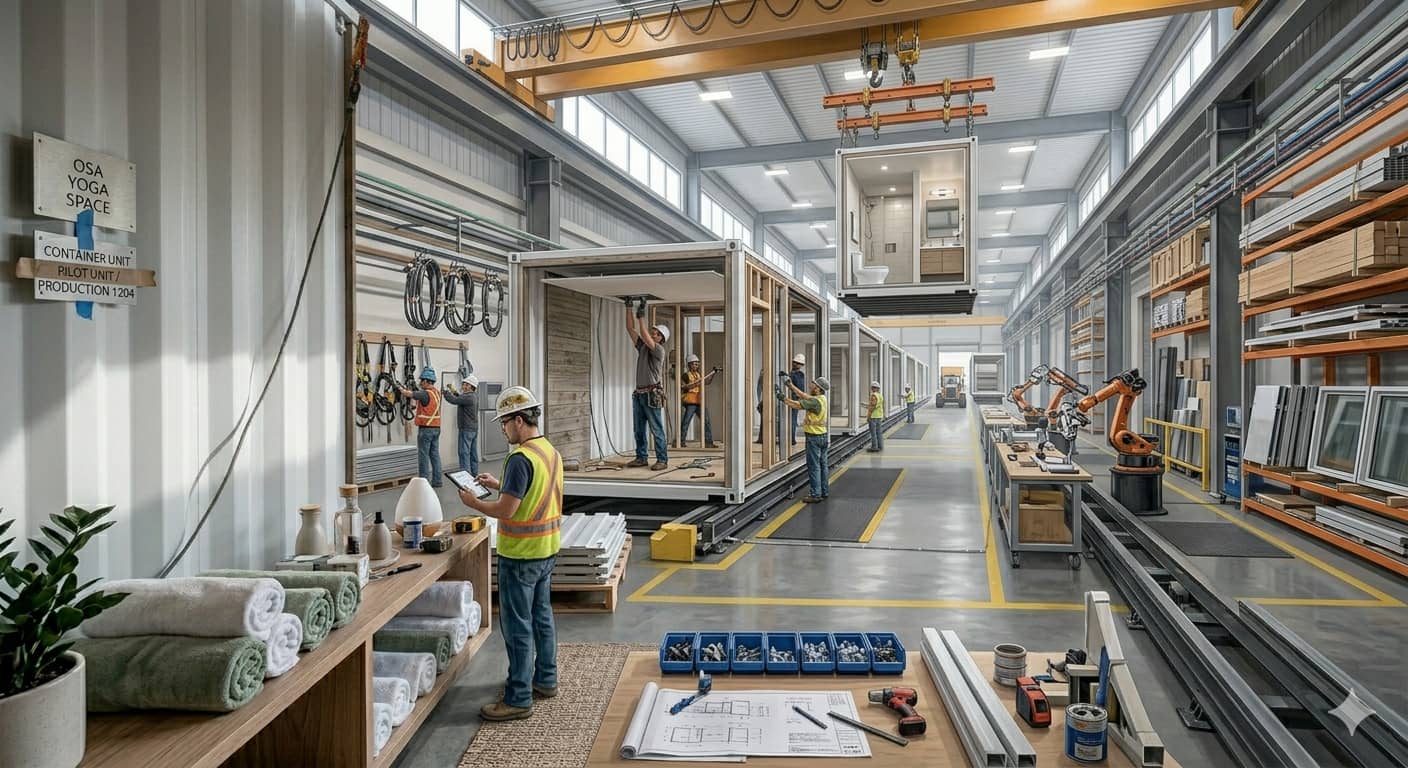
The biggest advantage is doing things at the same time. In my experience with clients building everything from glamping camps to resort hotels, this is where projects gain the most ground.
With traditional building, you must follow a strict sequence. You can't start framing until the foundation is fully cured. You can't do interior work until the roof is on. Prefab construction breaks this linear chain. While your team prepares the site—clearing land, pouring foundations, and setting up utilities—we are already building your units in our factory. This means two major parts of the project happen simultaneously, not one after the other. This parallel process alone can cut months off a project timeline.
Because we use standardized designs and components, the transition from an approved design to production is almost instant. There's no waiting for different teams to source materials. The structural parts are prepared in advance. When the units arrive on your site, they are often 80-90% complete, with walls, flooring, and even electrical wiring installed. The installation is more like assembly, often taking just a few days. The final finishing work is also much simpler, reducing the time your on-site team needs.
| Stage | Traditional Build Timeline | Prefab Build Timeline |
|---|---|---|
| Foundation | Months 1-2: Site work begins | Months 1-2: Site work begins |
| Structure | Months 3-5: Waits for foundation | Months 1-3: Happens in factory at same time |
| Weathering-in | Months 5-6: Waits for structure | Happens in factory at same time |
| On-site Assembly | Months of work | Weeks 9-10: A few days or weeks |
| Project Finish | Month 9-12 | Month 3-4 |
Have you ever managed a project that fell behind schedule? Weather, labor issues, and supply chain problems can derail even the best plans, costing you time and money.
Traditional construction is vulnerable to many unpredictable factors. Bad weather can stop all work on an open site. Finding and scheduling skilled labor for each stage is a constant challenge. Delays in material delivery or coordination failures between different teams can create a domino effect of setbacks.
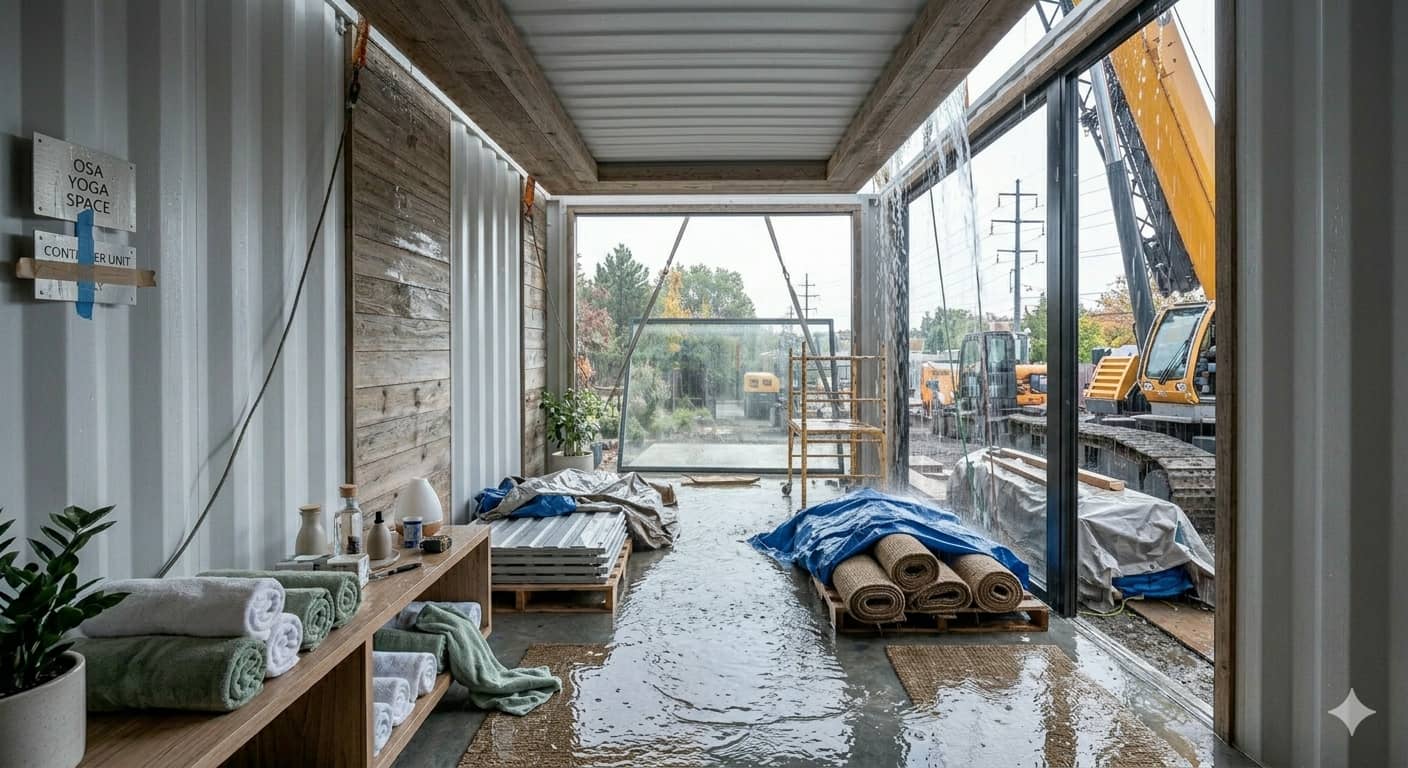
I once worked with a client building a small resort in a tropical location. A single week of unexpected rain pushed their entire project back by a month. It delayed the foundation pour, which then delayed every other team. This is a common story in traditional building, and it's a huge source of stress and financial loss for project owners.
The main problem is that everything happens out in the open, exposed to many variables. Here are the most common issues I see that prefab building avoids:
Is finishing a project on time your top priority? Delays don't just waste time; they directly impact your revenue and increase your project's financial risk and stress.
A faster build means you can open for business and start generating revenue sooner. For a resort or rental property, this means earlier bookings. It also reduces your site management costs, gives you predictable cash flow, and protects you from price increases for labor or materials during a long build.
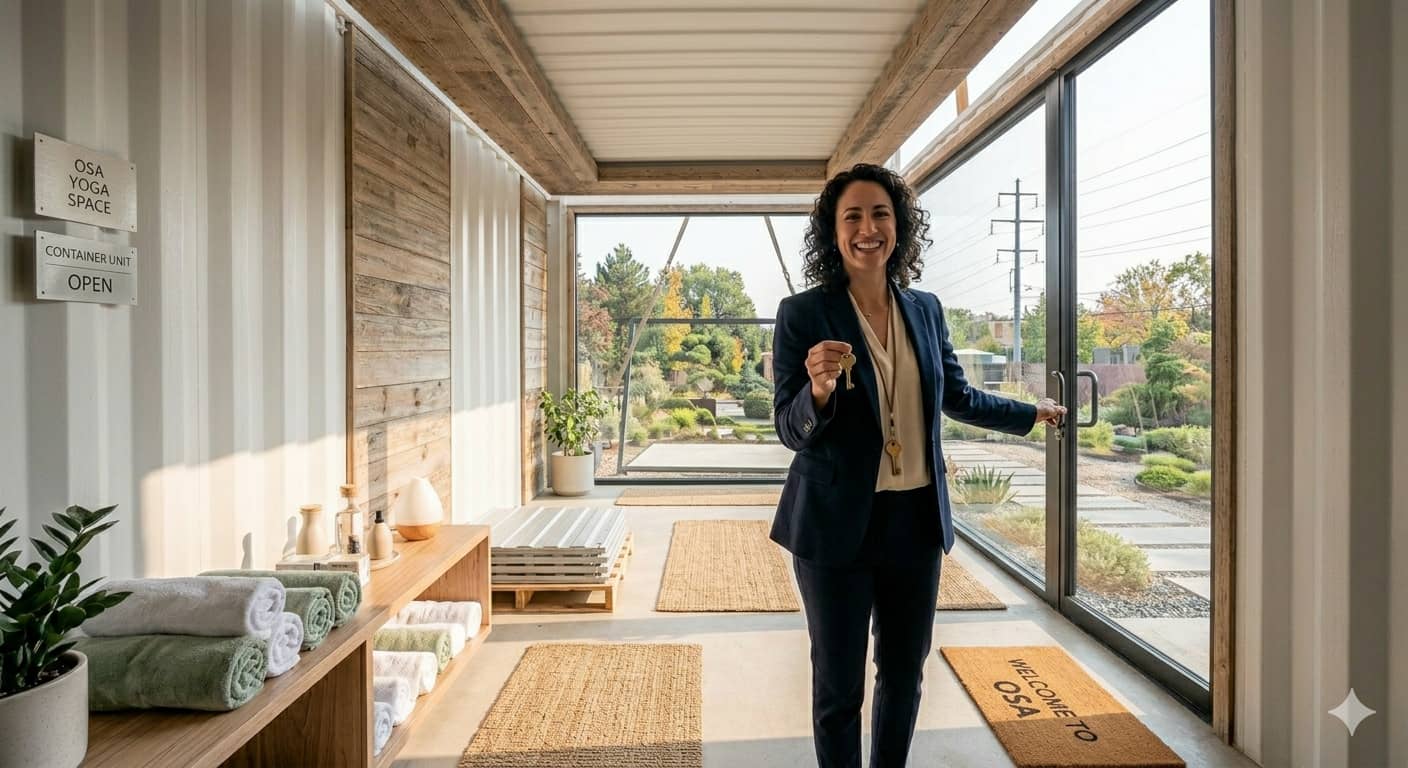
For my B2B clients, whether they are project contractors or campsite operators, speed is not just about convenience; it's about money. The faster you can complete a project, the healthier your business will be. Let’s look at the direct commercial results that I've seen firsthand.
The most obvious benefit is an earlier return on your investment. If you're building a rental cabin, a commercial display, or a resort, every month saved in construction is a month you can be collecting rent or booking guests. This directly improves your project's profitability from day one. I've had clients open their campsites a full season earlier than they planned with traditional methods, capturing thousands in unexpected revenue. A faster timeline means your capital is working for you sooner.
A shorter timeline also means less exposure to risk. Long projects are expensive to manage and vulnerable to market changes.
| Business Benefit | Impact on Your Project |
|---|---|
| Earlier Occupancy | Start generating revenue months sooner. |
| Faster Project Turnover | Free up capital and move on to your next project. |
| Lower Site Management | Save money on security, insurance, and staff. |
| Better Timeline Control | Plan your finances with much more certainty. |
In short, prefab construction is faster because of its efficient factory process. This speed gives you greater project control, reduces risk, and helps you achieve profitability much sooner.


Tel : +86-18630605462
Email : info@jhhycontainerhouse.com
5th Floor, 19b Building, 10th Liushan Street, Yanjiao National High-Tech Zone, Langfang, Hebei
leave a message
Scan to wechat :

Scan to whatsapp :